
Four Sessions. One Deep Dive Into Well-Being Design.
Each session stands alone. 3 HSW CEUs each, 12 for the full series. All available on-demand upon registration.

Beauty is not decoration. It is the mechanism by which our nervous system shifts from survival mode into healing mode.
This session explores the profound impact of architecture on human health, perception, and stress. You will learn how design choices, informed by neuroscience and environmental psychology, can either regulate or overwhelm the nervous system. You will gain a working understanding of how the brain processes proportion, pattern, and hierarchy, and why these elements are crucial for overall well-being. By learning how the built environment activates biological systems like the parasympathetic response, you will be equipped to design spaces that foster calm, clarity, and health. This session reframes architecture as a health intervention and challenges you to rethink your professional responsibility.
- How the brain reads space, neuroaesthetics and the aesthetic triad
- Classical patterns, proportion, and the parasympathetic response
- Visual stress, pattern listlessness, and designing for engagement
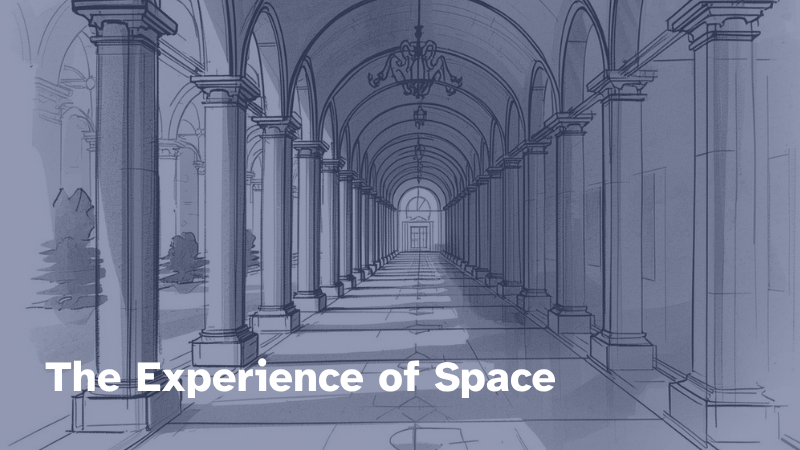
Architects are designing spaces for brains that evolved in nature, not in buildings.
As an architect and designer, you influence more than buildings. You shape human experience, movement, and belonging. In this session you will discover how the brain maps space for wayfinding, how people form emotional bonds to places, and how multi-sensory design choices influence comfort and stress. You will analyze research on cognitive mapping, place attachment, and sensory thresholds, and see how these insights translate into practice. You will leave able to design environments that reduce cognitive load, foster belonging, and balance sensory input, supporting health, safety, and welfare through thoughtful architecture.
- Wayfinding, cognitive mapping, and spatial legibility
- Place attachment, belonging, and environmental identity
- Multi-sensory design (acoustics, touch, proprioception)
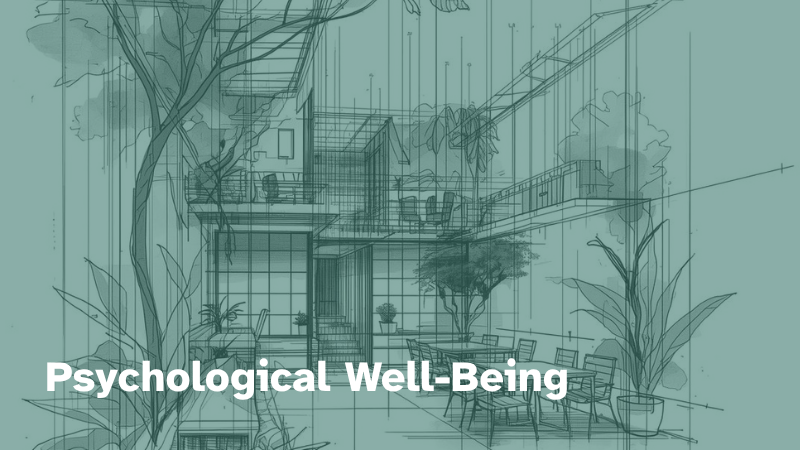
Minimalism can be a form of deprivation. For the brain, blank walls and no texture is not calm. It is starvation.
How can design support emotional regulation, restore balance, and facilitate psychological recovery? This session explores the science of color perception, micro-restorative spaces, and user agency to understand the significant impact subtle design choices have on emotional resilience. Drawing on neuroscience, environmental psychology, and sensory design, you will identify patterns that foster calm, clarity, and connection. You will leave prepared to apply these principles across typologies including schools and hospitals, with a deeper understanding of how color, texture, light, and layout contribute to mental well-being. Because healing does not just happen in clinics. It happens wherever people live, learn, and gather.
- Color, light, and emotional regulation
- Nature views, ventilation, and measurable healing outcomes
- Biophilia, fractal patterns, and designing for sensory richness
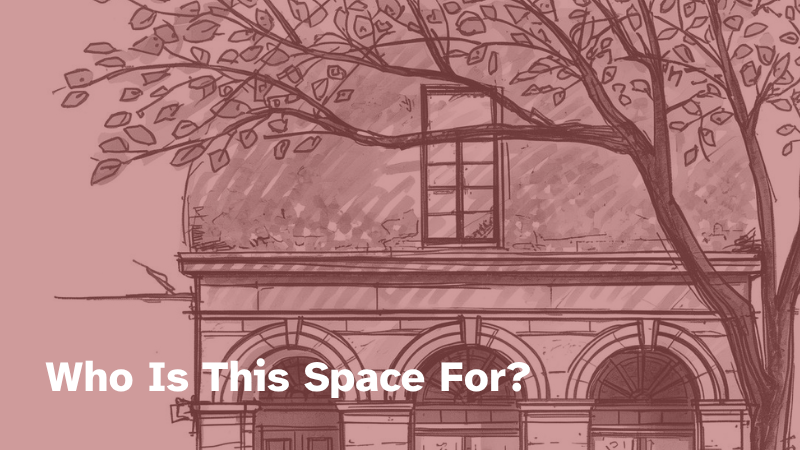
A building can win awards, look stunning in renderings, and still make the people inside it feel disoriented, overstimulated, and unwell.
This session teaches you to design public spaces that foster trust and engagement. You will apply CPTED principles to create welcoming environments with clear sightlines, easy exits, and natural surveillance. You will learn strategic lighting for night environments and structured planting for safety. You will also learn to refine facades and thresholds, focusing on door presence, clear glazing, genuine shade, and seating that encourages interaction. You will leave with a practical framework to assess your designs for user comfort, orientation, and well-being, directly linking design decisions to health and safety outcomes.
- Social memory, heritage, and aging in place
- Walkability, third places, and spatial justice
- From hostile architecture to environments that invite
Ready to bring this framework into your practice?
BEGIN THE SERIES $345

Natalie Jorge
Founder & Principal Architect, Turtchin Arquitetos · São Paulo, Brazil
Natalie de Carvalho Jorge is a Brazilian architect whose work draws from neuroscience, psychology, and environmental ethics and explores how architecture influences human behavior, mental health, and social well-being. She integrates classical design principles to promote balance, beauty, and a sense of belonging in the built environment.
She doesn't just teach human-centered design. She practices it.
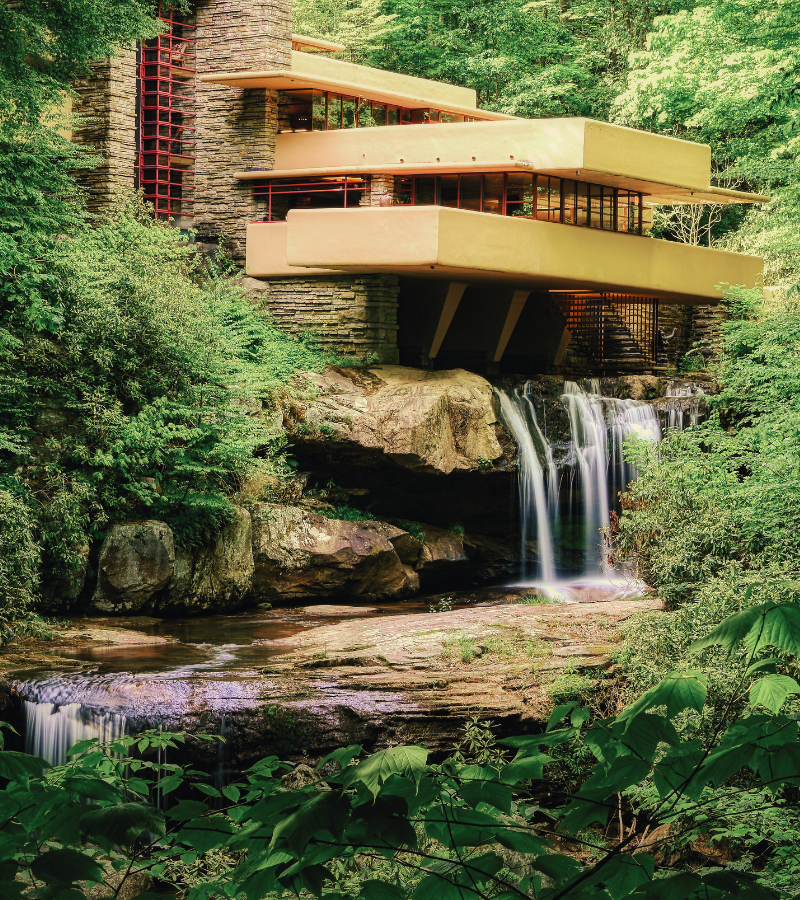
"I studied Fallingwater and overlaid the lines of symmetry, the nine square grid, and the golden ratio onto the elevations and floor plan. All three were embedded — precisely, naturally, without being forced. I couldn't believe my eyes."
— Natalie Jorge, on the research behind this courseContinuing education that respects your time, and holds up in practice.
Rated 4.8 out of 5 by fellow architects and interior designers.
The most engaging CEU I've ever taken — thoughtful, relevant, and not just fluff. I actually looked forward to each session.
Beautifully structured and immediately applicable. I left with clear takeaways for real projects.
So refreshing to see the connection between architecture and neuroscience presented in a way that feels practical and inspiring.